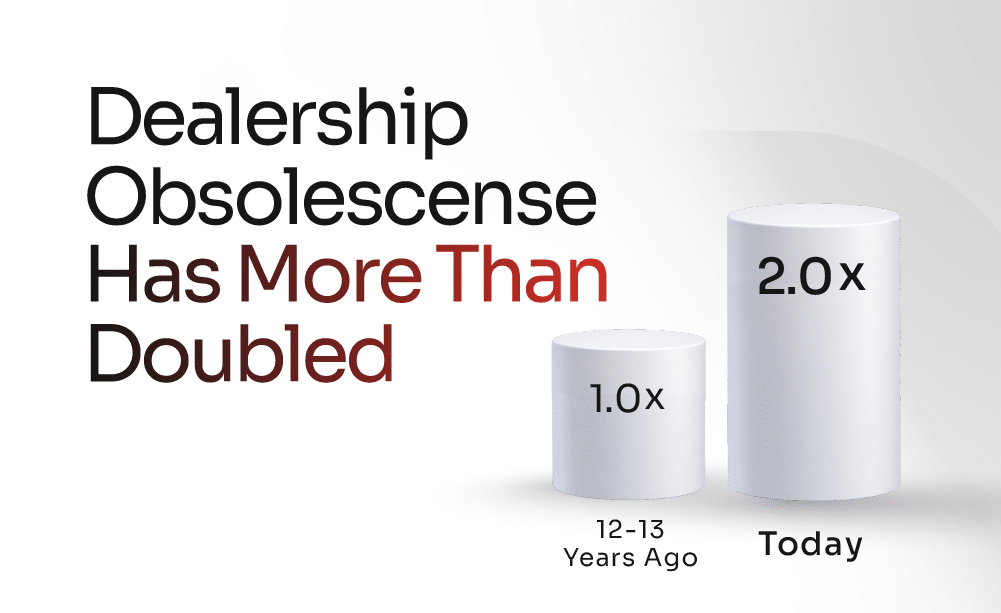
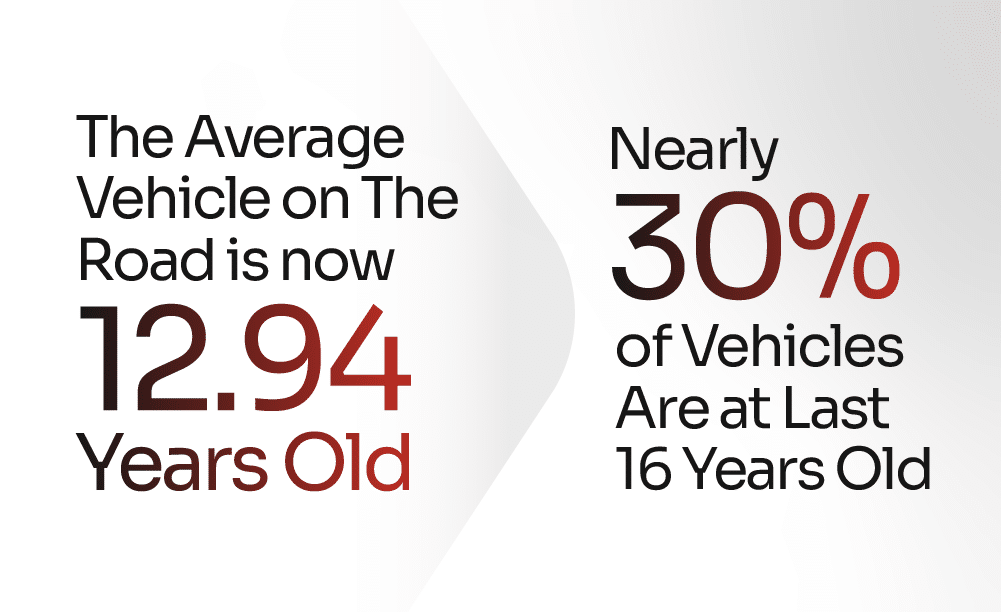
The rise in new car prices and interest rates has significantly impacted new car purchases. Fewer people are buying new cars and opting to keep their older models. This means a drastic drop in new car sales and an increased challenge in raising absorption rates at the dealership.
Forward-thinking general managers are looking to maximize revenue through their parts departments. How are they doing this? By selling auto parts online through multiple selling channels.
What Are Selling Channels?
There are many established selling channels online, and you can use any of them to your advantage. Selling channels refer to any platform or method you use to sell products—in this case, auto parts and accessories. This includes your in-store parts department, parts or dealership website, a seller account on an online marketplace (like Amazon or eBay), or even a mobile app.
However, the BEST dealers sell auto parts and accessories through multiple online channels.
Why Have Multiple and Diverse Selling Channels?
The online retail market is very diverse. With so many different options for people to purchase online, it pays to cast a wide net over multiple channels. This allows you to capture the widest customer base possible.
The online auto parts market is rapidly growing. In fact, online auto parts sales reached a total of $38 billion in 2022. It’s one of the fastest-growing online retail markets in the country, making now the optimal time to start.
Diversifying your selling channels can have additional benefits apart from rapid growth. It can help fill in the gaps and help boost the absorption rate at the dealership. With the increased loss of new car sales, more people are looking to buy auto parts to maintain their older model vehicles. This means that selling aging and obsolete parts can help improve the dealership’s overall absorption rate.
Selling across multiple channels is a smart move. The question is, how do you pick the right selling channels for your dealership’s unique needs?
Designated Web Store
A major mistake dealers make is to sell auto parts through their existing dealership site, but that option presents some challenges. Primarily, it reduces the likelihood of your auto parts listings being found online. Why is this? Because it lacks the necessary SEO volume to rank high enough in a search engine.
Search Engine Optimization (SEO) is the process of implementing commonly-searched words onto a web page or website. With enough of the right keywords, that page gets automatically scraped and listed higher in a search results page by a search engine (i.e., Google).
If you only list your auto parts for sale on your dealership’s website, you lose out on the opportunity to have a high SEO ranking, which puts you lower in a search engine’s results. Therefore, to ensure a high-quality SEO ranking, setting up a separate website specifically dedicated to your parts department is a good idea.
You can implement keywords in product listings, appointment pages, FAQs, and even customer reviews through a designated parts web store! This will make it easier for people to find the parts they’re looking for and buy from you directly.
Online Marketplaces
A designated web store is a great place to start, but for dealerships with an existing parts website and looking to expand their reach, adding online marketplaces can be a great tactic.
Online marketplaces are third-party platforms that allow buyers and sellers to connect directly. The most commonly-known online marketplaces include Amazon and eBay. Both marketplaces are great options for dealerships to sell auto parts and accessories to generate more revenue.
Amazon
Amazon is the world’s largest online marketplace. With over 310 million active customers, it has the largest online customer reach for dealerships to connect with. Automotive sales on Amazon have seen significant growth within the last few years.
Benefits of selling on Amazon include:
-
- Large customer base
- Established consumer trust
- Lower seller fees
- Multiple shipping carriers
- Fast delivery times
eBay Motors
eBay has been a big-name online marketplace for a long time. Its automotive-specific section, eBay Motors, is one of the leading online platforms for auto parts sales in the U.S. With over 138 million active buyers, eBay has the second-largest online customer base to help dealerships expand their business nationally.
Benefits of selling on eBay Motors include:
-
- Large customer reach
- DIY-centric consumer base
- Strong obsolete parts sales opportunity
- Multiple shipping carriers
- Fast delivery times
Combinations of Selling Channels
Having a combination of selling channels can be the right move for a dealership. So how do you decide what combination of selling channels is the best fit for your dealership?
Let’s start off with the question, “who is the best fit for multiple selling channels?”
- Dealers looking to expand their customer base beyond their local market
- Dealers looking to sell off more aging/idle parts
- Dealers looking to maximize their revenue streams
| Selling Channel Combos | Ideal Candidates |
| Amazon + Designated Parts Web Store |
Dealers looking to:
|
| eBay Motors + Designated Parts Web Store |
Dealers looking to:
|
| Amazon + eBay Motors |
Dealers looking to:
|
| Designated Parts Web Store + eBay Motors + Amazon |
Dealers looking to:
|
Key Things to Consider
When diversifying selling channels, think about the workload you can realistically handle. Consider the size of your parts department and the allotted budget. How much can your team realistically operate on a day-to-day basis?
A parts department of fewer than three people might only be able to handle setting up a designated parts web store. A parts department of 3 to 5 people might be able to handle a parts web store and one additional online marketplace. A parts department with 5+ employees might be able to handle a designated web store and two online marketplaces.
Think about the logistics of selling through multiple channels. If you sell through an online marketplace, how are you going to handle shipping parts to customers outside of your local area? What shipping carriers are you going to use? What do they cost? Will you take care of packaging and fulfillment in-house or not?
Take OEM kickbacks into consideration. Are there any current stipulations within your OEM program that would impact adding selling channels to your parts department? Make sure you know what they are and if they would positively or negatively impact your auto parts business.
Boost Revenue Through Your Parts Department
Establishing strong revenue streams throughout your dealership can give you the extra edge to grow your business. You can start by strengthening your parts department! Learn more about how you can “Transform Your Dealership Revenue in 6 Months by Selling Parts Online,” today and maximize your dealership’s selling potential!