We are excited to announce a new solution to defeating obsolescence in the parts department with the release of our latest feature, the Obsolescence Tool. 

We’ve talked to thousands of Parts Managers, and one issue always seems to come up: Obsolescence.

It’s common for dealerships to have older parts on the shelves taking up space, with the average parts department’s obsolescence rate resting around 30%. 

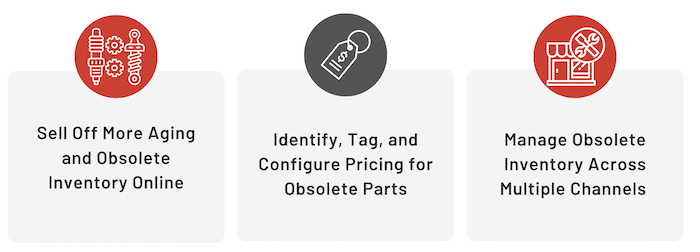
The RevolutionParts Obsolescence Tool is designed to help dealers improve their inventory management by helping sell more obsolete parts online. It does this by allowing you to identify, tag, and configure custom pricing for obsolete inventory, then instantly list those parts across multiple selling channels—like eBay.

The RP Obsolescence Tool 
Shoppers with older vehicles have unique needs and are not going directly to dealerships for these older parts; instead, their first stop will be online, even before they stop at their local aftermarket sellers. 

In fact, 74% of parts sold start with an online search. 

Getting your obsolete parts listed online is easy, but getting them to sell is the challenge. Traditionally, the price of these older parts follows the pricing rules you set for the rest of your inventory. This pricing model doesn’t take the age or demand of older parts into account. 

Now, with the Obsolescence Tool, you can automatically tag any part that meets the criteria you set for an obsolete part. You can then configure custom pricing rules that automatically apply to all obsolete parts listings. 

This helps your obsolete inventory stay competitive online and attract more buyers, meaning you get higher returns on these obsolete parts than traditional methods of reducing obsolescence. With the Obsolescence Tool, your team will be able to sell obsolete parts in higher volume and increase revenue with minimal operational input–managing it all from a single platform.

The Impact of Obsolescence

Keeping obsolete parts in check is crucial as a high obsolescence rate can cut into profitability at the parts department. Older parts may be harder to sell, but they can pile up faster than you may realize. The biggest drivers of obsolescence are often errors in inventory management and an influx of special order parts. No matter how your parts department obtains obsolete parts, you want to get them off the shelves and drive the most revenue from them as possible.

Here are just a few reasons why high obsolescence can hurt the dealership:

  • Wasted resources: Acquiring, managing, and storing obsolete parts wastes time and money for the department.
  • Excess inventory: Unsold obsolescence can lead to storage issues and tie up capital for the dealership that could be used elsewhere.
  • Difficulty forecasting demand: Storing parts that won’t sell makes it difficult to forecast the demand for parts accurately.

Obsolescence is natural in any parts department, but the key is to keep it low. This is where the Obsolescence Tool comes in. This powerful new tool helps sell your aging and obsolete parts so you can clear out this unwanted inventory.

Learn How to Reduce Your Obsolescence

Want to learn how the new Obsolescence Tool can help your parts department offload more obsolete parts? Click the button below to schedule a live demo with one of our eCommerce experts to see the tool in action.
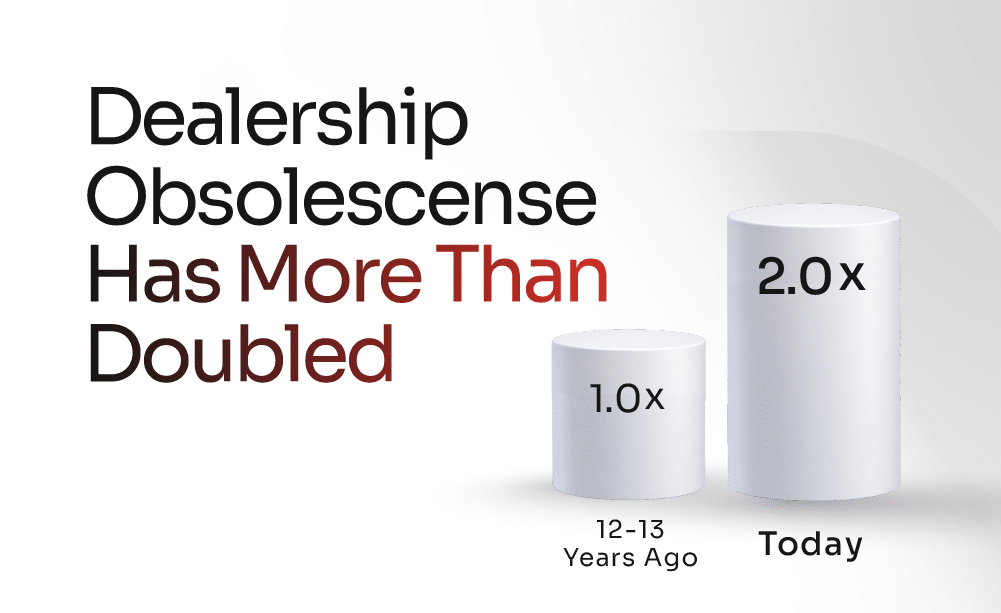
And it's not hard to see how that happens.

A special order nobody picks up. A repair that gets canceled. A part that used to sell but hasn't moved in months. Suddenly, you've got money sitting on a shelf, and your manufacturer isn't necessarily taking it back.

Just because nobody in your area needs that part doesn't mean nobody needs it.

READ MORE: Step-by-Step Guide to Sell Obsolete Parts Online

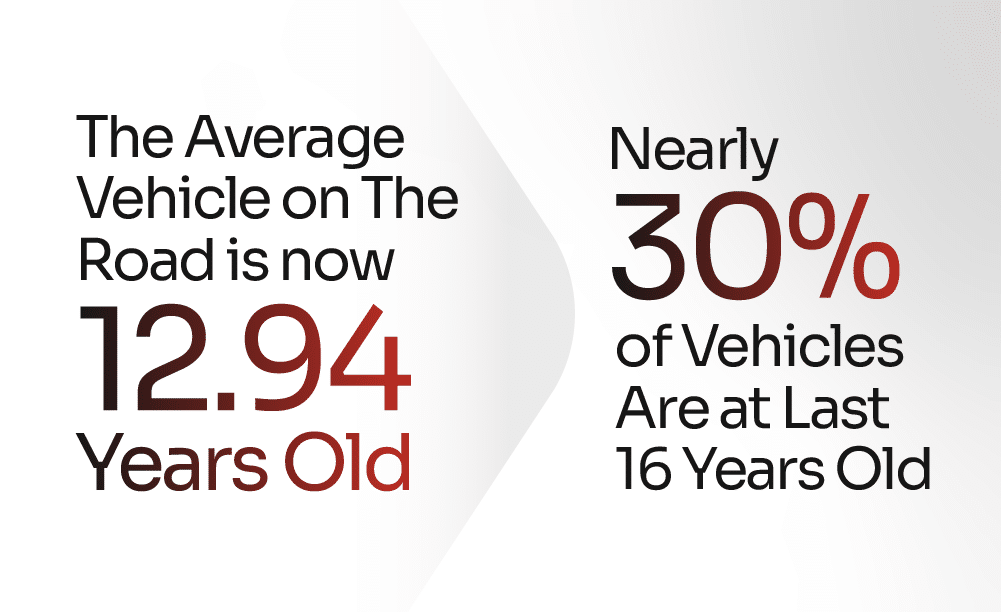
AAPEX reports a record 12.94-year vehicle age. That's a lot of replacement parts

According to AAPEX, the average vehicle on the road is now 12.94 years old, and nearly 30% of vehicles are at least 16 years old.

For Parts Departments, that's good news. Older vehicles need more repairs and replacement parts, which means more potential parts sales. It's one reason the automotive aftermarket keeps growing.

Here’s the catch: Plenty of those vehicles aren't showing up in your service drive anymore. Their owners are going to independent shops, fixing things themselves, or shopping online for parts.

That business hasn't disappeared. It's just going somewhere else. Somebody's still selling those customers brakes, sensors, belts, and everything else that wears out. Why not your department?

Independent shops are winning more service business. They still need parts.

An April study from Cox Automotive found that dealership service and parts revenue has grown 33% since 2018, but dealerships' share of service visits dropped from 33% to 29%.

Meanwhile, the number of independent auto repair businesses grew 12%, reaching nearly 299,000.

Dealer fixed ops revenue +33% Since 2018
Dealer share of service visits 33% 29% 2018 to study period
Independent auto repair businesses Nearly 299,000 Up 12% since 2018

For your service department, that's not great news. For your parts department? That's a whole lot of potential wholesale customers.

Those shops have plenty of suppliers to choose from. Competitive pricing, accurate availability, and reliable delivery are what keep them coming back. Nobody wants to chase down a parts order when they've got a car sitting on a lift.

ACA's aftermarket forecast shows there's more parts business to win

According to the Auto Care Association and MEMA, the U.S. light-duty automotive aftermarket was projected to grow 5.2% in 2026.

And a whole lot of that business is happening online. The Auto Care Association projected approximately $44.6 billion in online aftermarket parts sales in 2025, including third-party marketplaces, with continued growth expected through 2030.

5.2% in 2026
$44.6B in online aftermarket parts sales in 2025

That's billions in parts business happening beyond the traditional parts counter.

Your department already has access to genuine OEM parts, supplier relationships, and the expertise to help customers find what they need. The question is whether you're reaching the people shopping for those parts.

READ MORE: How Hiller CDJR Built a Six-Figure Online Parts Business

A 2026 shopping report shows how parts customers are changing

According to Mintel's 2026 automotive shopping report, nearly half of recent automotive-product buyers have purchased online and would do it again.

And they're not just browsing. They expect accurate fitment, competitive pricing, clear availability, and reliable delivery.

Sound familiar? That's what a good Parts Department already does. The difference is that customers increasingly expect to get it without walking through your doors.

Your dealership has the OEM parts and expertise they're looking for. But if they can't find you online, they're probably buying from someone else.

The biggest story of 2026: There's more parts business out there, but you have to go after it.

Older vehicles, a growing aftermarket, more online shoppers. The demand for parts isn't slowing down.

You already know how to sell parts. The opportunity in 2027 is reaching more customers, keeping more orders, and putting more gross profit on the books.

And you don't have to reinvent your department to do it.

Want to see what's possible? Read how dealerships of all sizes are building profitable online parts operations, and what they've learned along the way.

5 Different Parts Departments. 5 Online Success Stories

A Podcast Just for Parts People

Subscribe to Parts Pros Podcast for weekly 15-minute episodes where industry experts share real stories from the parts department, tips for success, how they overcome challenges, and why they love their work.

The Parts Manager’s Checklist to Mastering eBay

Subscribe for Future
Episodes, Updates &
Special Information