Are Dealers Looking for Parts Growth in the Wrong Places?
Dealership service and parts revenue reached $164.6 billion in 2025. But with dealerships capturing just 29% of service visits, new research raises a question: Are parts departments thinking too narrowly about where their next customers will come from?
Dealership revenue is growing. But there's more to the story.
Dealership fixed operations has seen significant growth in recent years.
According to data featured in an Automotive News report, U.S. dealership service and parts revenue grew 41% between 2018 and 2025, reaching $164.6 billion.
+41%
Service and parts revenue growth, 2018–2025
$164.6B
Total service and parts revenue, 2025
That's good news for dealerships. It shows just how important fixed operations has become to the business.
But another number tells a different side of the story: Dealerships account for just 29% of vehicle service visits.
Most service visits happen outside dealerships
29%
Dealerships
71%
Elsewhere
That means more than seven out of ten service visits happen somewhere else.
Drivers are still maintaining their vehicles, replacing worn parts, and paying for repairs. They're just often not doing it at a dealership.
That creates an important question for parts managers: How much of that business could your department be capturing?
Where dealers expect growth to come from
Automotive News surveyed dealership leaders and parts professionals about parts sales, growth opportunities, and challenges.
When asked which sales channel offered the greatest opportunity for parts sales growth, respondents answered:
Greatest opportunity for parts sales growth
% of respondents
Service lane
51.85%
Online parts sales
23.46%
Wholesale
14.81%
Retail over the counter
4.94%
Not sure
4.94%
Source: Automotive News survey of dealership leaders and parts professionals
More than half pointed to the service lane.
And that makes sense. It's a familiar source of business. Parts departments already have the people, inventory, and history of experience to support it.
But if most vehicle service visits happen outside dealerships, why are so many parts departments focused on bringing more vehicles into their service bays instead of finding other ways to capture demand?
The parts opportunity doesn't end at the service drive
A customer who takes their vehicle to an independent repair shop still needs parts. So does the shop doing the repair. So does someone who prefers to handle repairs and maintenance themselves.
Those customers may never visit your dealership, but their vehicles still need brakes, filters, sensors, and replacement components.
That demand exists whether your dealership participates in it or not.
For dealers, this creates an opportunity to think beyond the usual sources of business.
Instead of only asking how to increase repair orders or sell more parts through the service lane, consider:
Who's buying the parts we stock but not buying them from us?
Which customers and repair businesses aren't we reaching?
Are we relying too heavily on the same sources of revenue?
What would it take to capture a small share of the demand we're missing?
These aren't questions about abandoning the service lane. They're about finding additional ways to grow.
Growing revenue doesn't always mean capturing more of the market
Here's what makes the Automotive News findings interesting.
Dealership service and parts revenue grew 41% over seven years. Yet dealerships still account for less than one-third of vehicle service visits.
Revenue can grow because of higher prices, larger repair bills, changes in the mix of work, or increased sales activity. That doesn't necessarily mean dealerships are capturing a larger share of customers.
And the 29% figure measures service visits, not parts revenue. It doesn't tell us exactly how much parts business dealerships are missing.
But it does highlight how much vehicle maintenance and repair activity takes place outside dealership service departments.
Two numbers. One important question.
51.85%
of surveyed dealers see the service lane as their biggest parts growth opportunity
71%
of vehicle service visits happen outside dealerships
Are parts departments looking beyond their existing service customers for growth?
It's time to think differently about parts growth
The service lane will always be an important part of dealership fixed operations. But it shouldn't be the only place dealers look to grow parts.
The Automotive News research suggests that many dealerships continue to see their greatest opportunity in the business they already know.
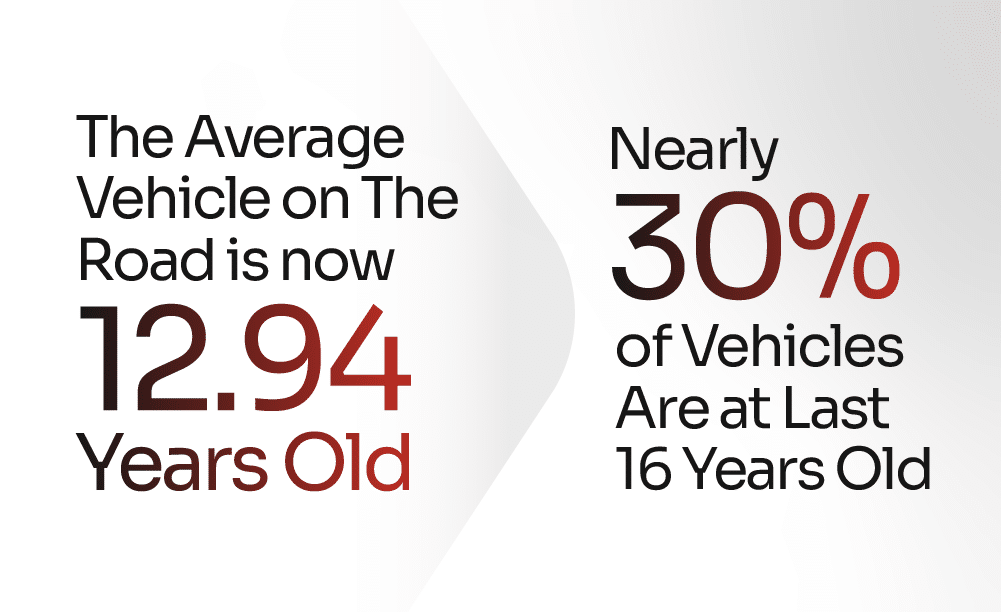
As drivers keep their vehicles longer, buying habits shift toward digital and AI-powered search, and 71% of service visits happen outside dealerships, parts departments need to look beyond traditional revenue streams to capture new customers, grow sales, and stay competitive.
The question isn't just how to bring more vehicles into the service lane. It's how to grow parts sales beyond the service lane altogether. With more customers searching for and buying parts online, dealerships have an opportunity to reach new buyers, expand beyond their local market, and build a future-proof source of revenue.
That's a growth opportunity worth exploring.